Accessibility is not something you add at the end. It is the ground everything else stands on, and when you design for the edges, everyone benefits.
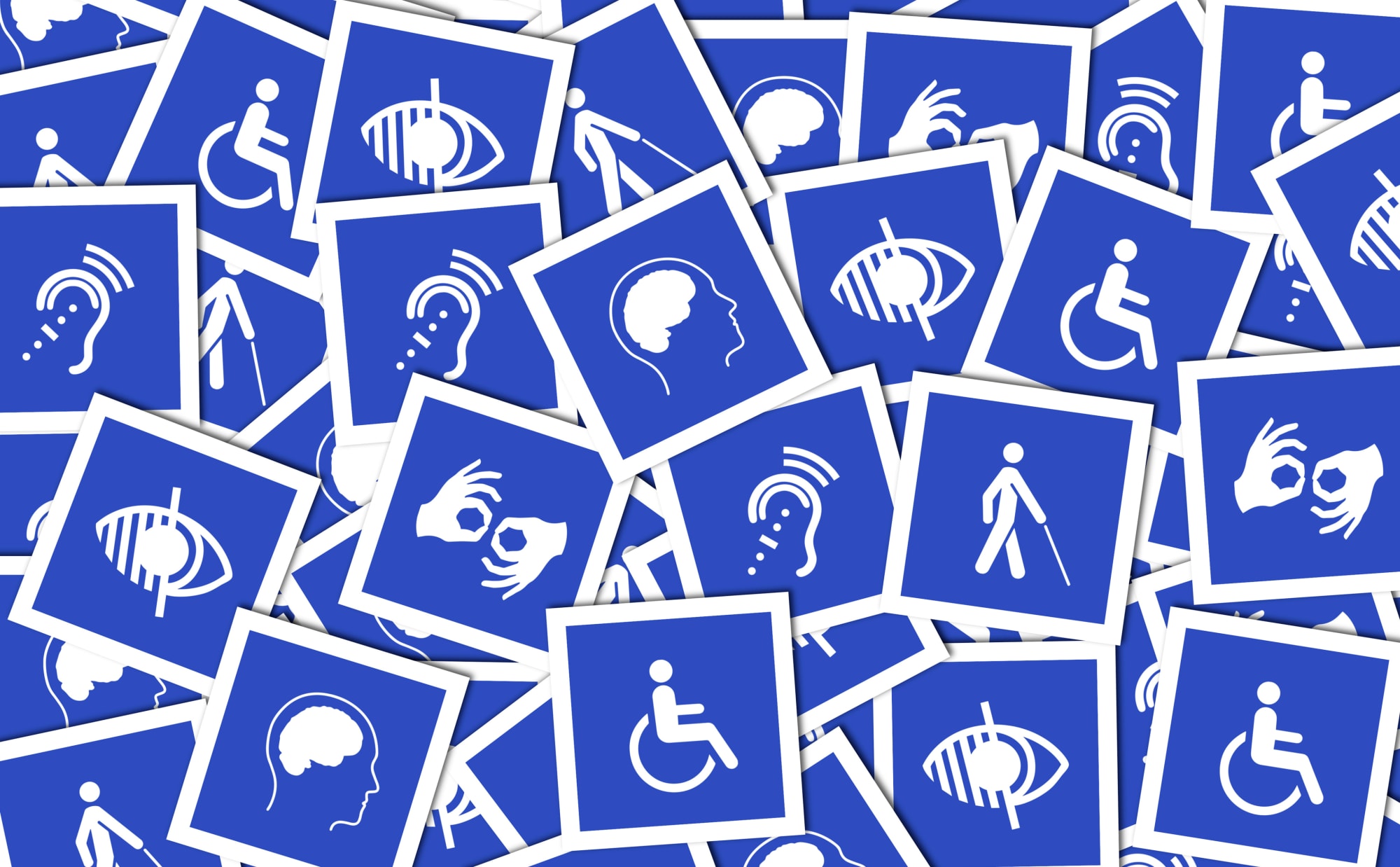
Try something today. Put your mouse aside and move through your own website using only the keyboard.
For many designers, the result is humbling. Focus disappears. Menus will not open. Buttons cannot be reached. A layout that looked polished suddenly feels like a locked door.
That is the experience many people have every single day.
Tim Berners-Lee, the inventor of the World Wide Web, put it this way in 1997 as Director of the W3C. “The power of the Web is in its universality. Access by everyone regardless of disability is an essential aspect.”
An essential aspect. Not an optional extra. Not a phase two.
Too often, accessibility is treated as a feature. Something to add at the end if there is time and budget left. But by then, the decisions that matter most have already been made. Colors are locked. Components are built. Content is written. Fixing it later costs more and works less well.
Accessibility is not a layer you add. It is the ground everything else stands on.
The Web Content Accessibility Guidelines, known as WCAG, give us a shared framework for getting this right. They are built on four principles. Content should be perceivable, operable, understandable, and robust.
Here is how I bring those principles into everyday design work.
- Check contrast early. Test text and interface colors while building the palette, not after the brand is approved.
- Design visible focus states. Keyboard users need to see where they are at all times.
- Never rely on color alone. Pair color with text, icons, or patterns to communicate meaning.
- Write meaningful labels and alt text. Screen reader users deserve the same information everyone else receives.
- Use real structure. Proper headings, buttons, and form labels make content understandable to assistive technology.
- Test with real people. Guidelines are a starting point. Lived experience reveals what checklists miss.
The beautiful part is that accessible design helps everyone. Captions help people in noisy places. Strong contrast helps people outside in bright sunlight. Simple language helps people who are tired, distracted, or reading in a second language.
When you design for the edges, the center benefits too.
Haben Girma, the first Deafblind graduate of Harvard Law School, says it simply. “Disability drives innovation.”
Accessibility is not a feature. It is the foundation. Build on it from the very first sketch, and you build something that truly belongs to everyone.