
What Good Design Really Means
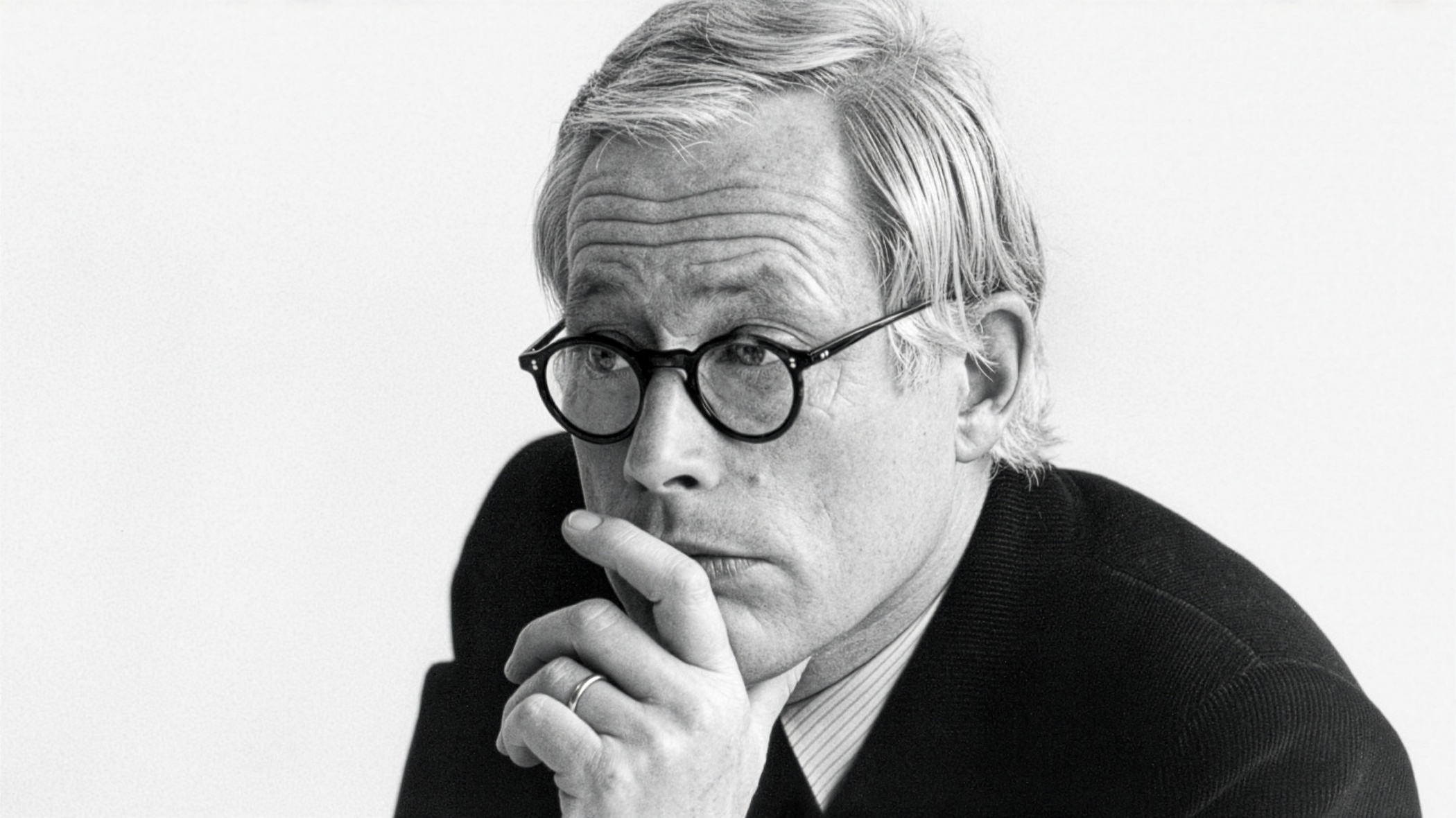
As I reflect on this stage of my journey into user experience, one name stands out clearly. Dieter Rams.
Rams, the industrial designer closely associated with Braun, articulated what many designers feel but struggle to define. His principles of good design remain timeless because they focus on substance rather than style.
Good design is innovative. It moves forward with technology and culture without chasing novelty for the sake of attention.
Good design makes a product useful. If it does not serve a clear purpose, it does not matter how beautiful it looks.
Good design is aesthetic. Beauty matters, not as decoration, but as a reflection of care and clarity.
Good design makes a product understandable. It communicates its function naturally. It does not confuse or intimidate.
Good design is unobtrusive. It supports the user without demanding attention.
Good design is honest. It does not exaggerate what a product can do. It does not mislead.
Good design is long lasting. It avoids trends that quickly become outdated and instead focuses on enduring value.
Good design is thorough down to the last detail. Nothing is accidental. Every decision is intentional.
Good design is environmentally friendly. It respects resources and considers long term impact.
Good design is as little design as possible. Simplicity is not minimalism for style. It is removing what is unnecessary so that what remains can shine.
When you read these principles together, they describe more than industrial products. They describe the heart of user experience. Create something useful. Make it clear. Make it honest. Keep it simple. Respect people and the environment.
Rams challenges designers to think beyond aesthetics. He reminds us that we must question what others accept as obvious. We must understand changing attitudes, dreams, worries, and needs. We must balance imagination with a realistic understanding of technology’s possibilities and limitations.
That level of responsibility elevates design from craft to discipline.
Good design is not loud. It does not beg for attention. It quietly improves daily life. It does exactly what it is meant to do.
And when it does, people trust it.