
Typography Is the Voice of Design
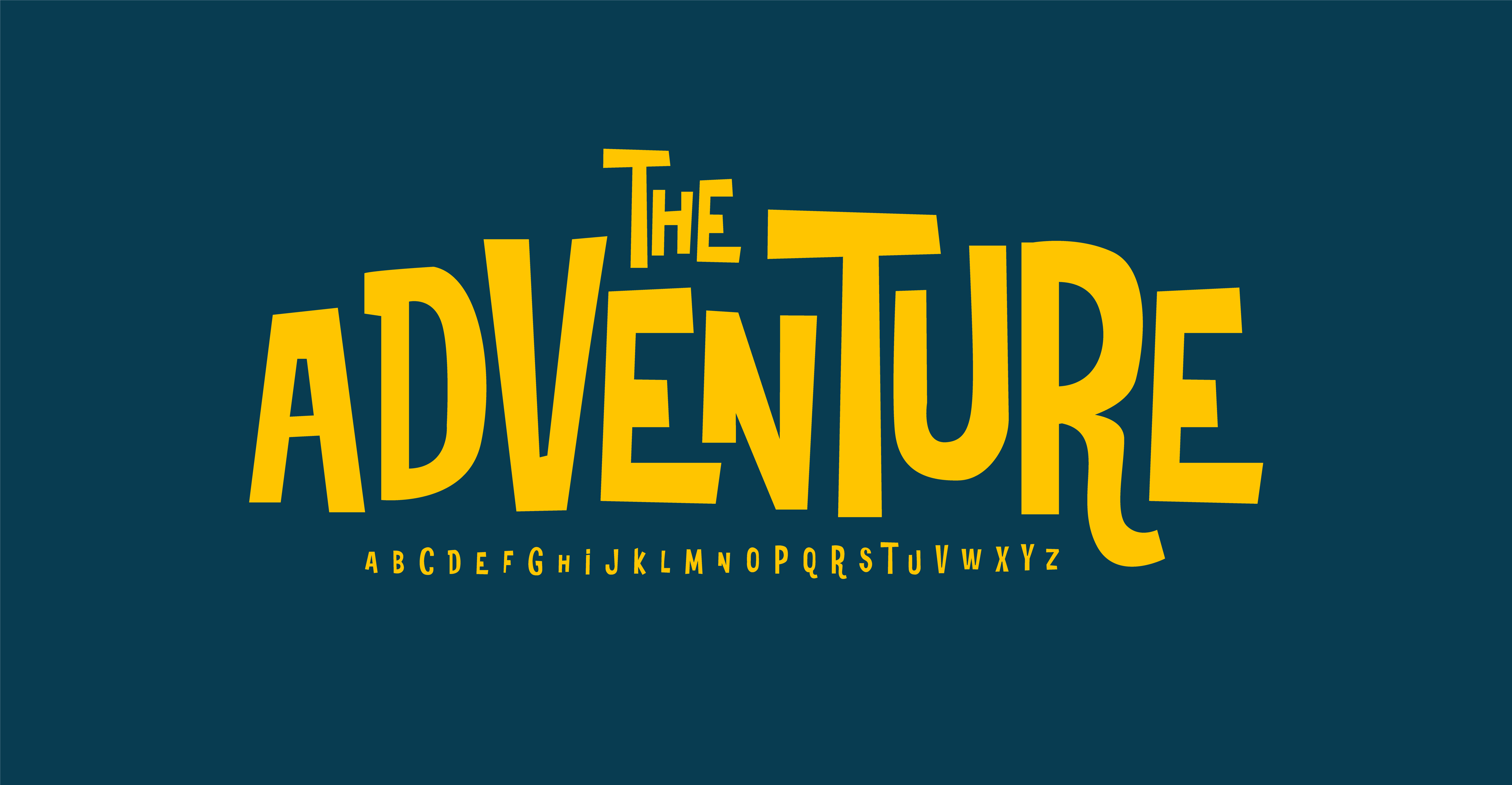
I started my career as a graphic designer, and if there is one design element I have always been deeply passionate about, it is typography.
There is a well known statement in the design world that says ninety percent of design is typography. I believe it. Before imagery captures attention, before color creates contrast, the typeface you choose sets the personality of the design. It determines whether something feels modern or classic, playful or serious, elegant or bold.
Typography does not just communicate words. It communicates mood.
The right typeface can make a brand feel trustworthy. The wrong one can make it feel careless. A clean sans serif can feel contemporary and efficient. A serif font can feel timeless and authoritative. A script font can feel intimate and expressive.
As designers, choosing the right font is not random. It is intentional. And while creativity plays a major role, there are foundational principles worth remembering.
Keep it simple. Less is almost always more. Many designers suggest limiting yourself to three typefaces. Personally, I prefer using no more than two. When typography is consistent, the design feels cohesive and professional. The same principle applies to text. Keep it clear. Keep it readable. Keep it purposeful.
Embrace white space. White space is not wasted space. It is structure. It is breathing room. It gives typography the space it needs to shine. As Igor Ovsyannykov beautifully states, “Keep in mind that white space is not an empty space. It is a distinctive and valuable tool that can bring out something special from your design.” That insight is powerful. When used well, white space elevates simplicity into sophistication.
Avoid overly decorative or low quality fonts unless the context truly calls for it. Typography should support the message, not distract from it. There is a time and place for expressive type, but clarity should never be sacrificed for novelty.
Become familiar with your typefaces. Explore different weights, styles, and pairings. Study how they behave at different sizes. A great starting point is Google Fonts, which offers a wide selection of high quality typefaces that are ready for web use or download. The more you experiment, the more instinctive your typography decisions become.
Of course, design rules are guidelines, not prison walls. Sometimes the most memorable work happens when a rule is bent with intention. The key is understanding the rule before breaking it.
Typography is more than structure. It is expression.
As Igor Ovsyannykov boldly says, “Use and treat typography as art.”
When treated with care and intention, typography does not just display content. It shapes experience. It gives voice to design.